Style, Dress, and the Subtle Art of Guest Guidance
Dress codes reframed as an aesthetic gift, not a rulebook — evocative narrative framing, tiered guidance, and the quiet infrastructure guests never see.
Dress code is not an exercise in compliance or exclusion; it is the visual groundwork of a shared sanctuary—an invitation for guests to become co-creators of an environment.
I. Epigraph & Thesis
Few elements influence the visual harmony of a private gathering as immediately as the attire of its guests. Yet, the traditional approach to dress codes—relying on rigid, outdated terms like "Black Tie Optional" or ambiguous modern tags like "Smart Casual"—frequently induces anxiety rather than inspiration. When guests feel uncertain about what is expected, they arrive either self-conscious of being over-dressed or uncomfortable in their under-preparation.
The thesis of modern guest guidance is a total shift in perspective: dress protocol must be framed not as a set of restrictive rules, but as an aesthetic gift. When guest attire is guided with clarity, subtlety, and narrative context, it transforms attendees from passive observers into active participants within a living architectural canvas.
II. The Invisible Architecture
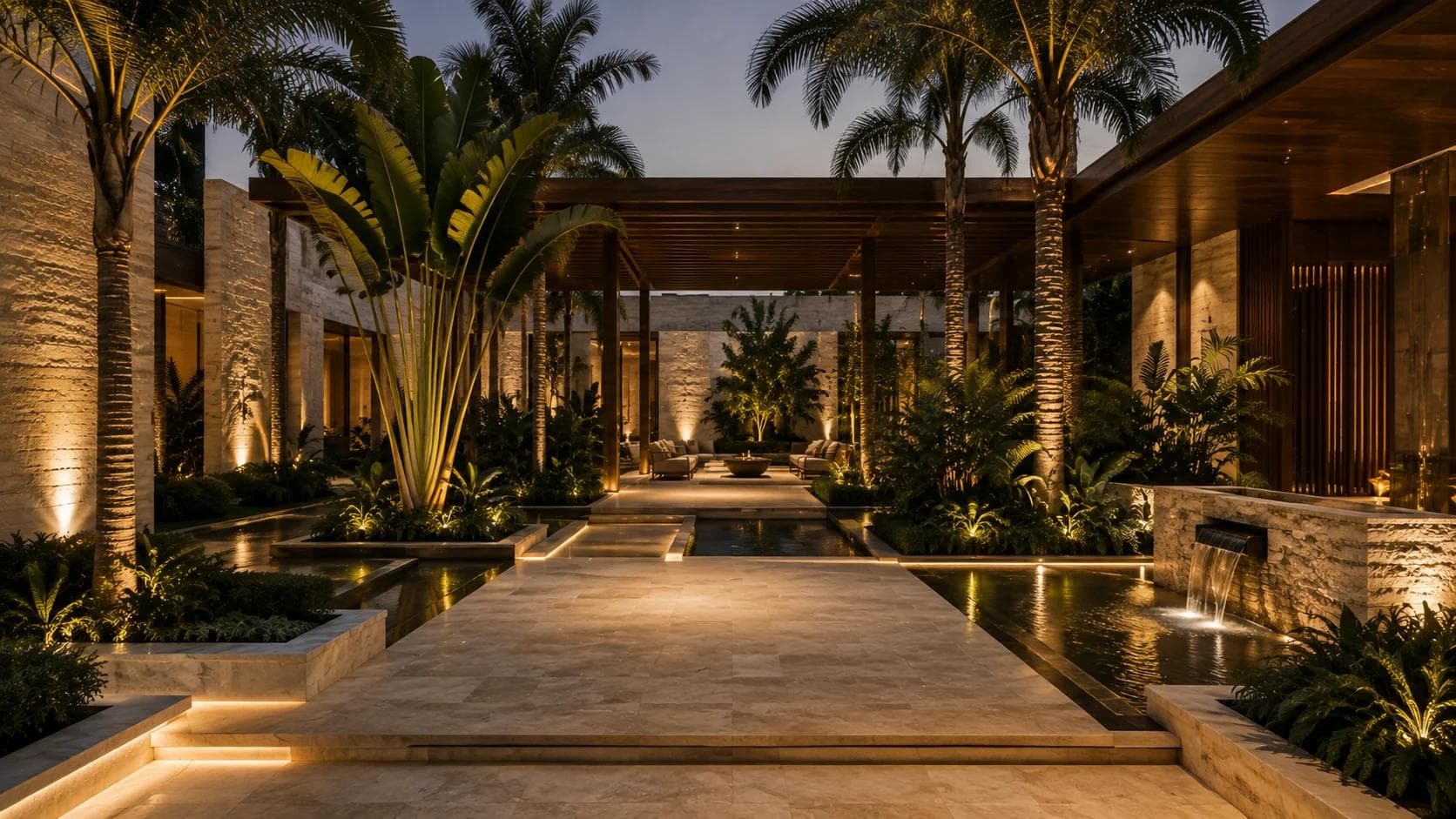
Every high-architecture celebration relies on a carefully composed visual palette—the interplay of lighting temperatures, material textures, and spatial proportions. When guests enter this space, their attire instantly becomes part of the room's texture. A single jarring color or inappropriate silhouette can disrupt the atmosphere as easily as harsh fluorescent lighting.
However, achieving visual cohesion must never come at the expense of guest ease. The psychological architecture of hosting requires that guests feel completely confident from the moment they receive their invitation. By removing guesswork, hosts liberate their guests from wardrobe friction, allowing them to redirect their full energy toward conversation, connection, and immersion.
III. Principles of Execution
Guiding guest attire with quiet sophistication requires a blend of evocative communication, thoughtful protocol, and discreet on-site support.
1. Evocative Narrative Framing
Ditch sterile, technical dress codes in favor of descriptive mood framing that conveys the atmosphere, environment, and physical conditions of the venue:
- Contextual Anchoring: Instead of simply writing "Formal Attire," provide atmospheric context: "Black Tie within an open-air olive grove; floor-length hemline choices should account for natural gravel pathways."
- Palette Guidance: Rather than mandating strict colors, offer suggestive seasonal tone swatches: "Warm Earth Tones, Matte Black, and Muted Metallics."
- Sensory Cues: Mention environmental factors explicitly—such as coastal breezes, evening temperature drops, or stone flooring—so guests dress for comfort as well as elegance.
2. Tiered Communication Channels
Guest guidance should be delivered gradually through distinct, refined touchpoints:
- The Formal Invitation: Contains the core aesthetic vision in a single, perfectly framed sentence.
- The Private Dossier / Guest Portal: A discreet digital or print supplement providing deeper detail on local climate, footwear recommendations for historic stone steps, and transport logistics.
- Concierge Coordination: For ultra-high-net-worth gatherings, offer a private concierge team to assist guests with local tailor appointments, styling queries, or gown pressing upon arrival at their residence or hotel.
3. Spatial and Practical Harmony
The venue design must actively respect the requested attire. If a host requests formal black tie or delicate evening gowns, the physical environment must accommodate those choices effortlessly:
- Smooth Thresholds: Eliminating deep lawn walking routes, unpaved gravel paths, or steep staircases without ramp alternatives.
- Climate Calibration: Ensuring outdoor pavilions feature invisible radiant heating or micro-climate cooling so guests wearing light silk or wool tuxedos remain perfectly comfortable.
- Seating Spacing: Providing ample room between chairs to accommodate structured gowns without crushing fabrics.
4. The Discreet Amenities Contingency
Even with meticulous preparation, unexpected wardrobe challenges occur. A truly luxury event management strategy incorporates hidden, high-touch support zones:
- The Quiet Suite: Dedicated private dressing rooms staffed by master tailors equipped for emergency alterations, shoe repair, and garment pressing.
- Weather Adjustments: Discreetly presenting hand-crafted leather shawls, bespoke umbrellas, or heel protectors without breaking the flow of arrival.
IV. Failure Modes of the Conventional
Guest guidance frequently falters when hosts prioritize rigid aesthetics over hospitality:
- Ambiguous Nomenclature: Using confusing terms like "Beach Elegant" or "Festive Formal" that leave guests guessing.
- Hostile Architecture: Mandating high heels or structured footwear while forcing guests to stand on soft grass or uneven cobblestones for hours.
- Heavy-Handed Enforcement: Turning dress codes into an oppressive security check rather than an invitation to shared beauty.
- Ignoring Micro-Climates: Failing to inform out-of-town guests of rapid evening temperature drops in desert or coastal settings.
V. The Residue
When guest guidance is executed with clarity and grace, the reward is an effortless visual poetry. The room comes alive with a shared rhythm, where every guest feels both individually striking and harmoniously connected to the whole.
By elevating dress code into an art form of subtle hospitality, Maison Doclar ensures that every attendee steps across the threshold with complete confidence—ready to inhabit a world crafted for their comfort, ease, and enjoyment.